Complete Guides about 7 Best Tourists Provinces
Table of Contents
Toggle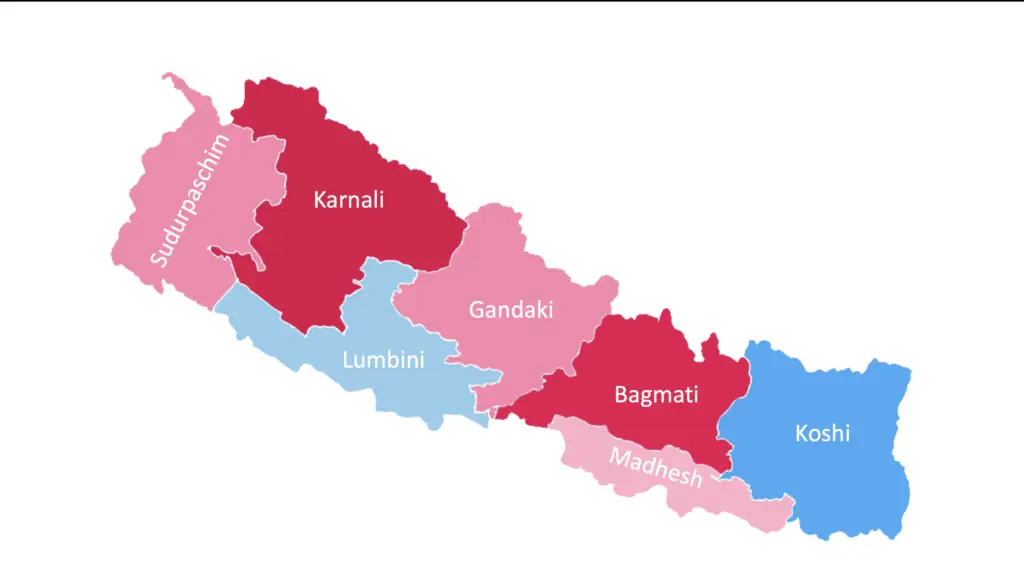
Nepal, nestled in the heart of the Himalayas, is a country of breathtaking landscapes, diverse cultures, and rich history. Administratively, Nepal is divided into seven provinces, each with its own unique identity, geography, culture, and economic significance. Exploring these provinces gives a deeper understanding of the country’s diversity and charm. Let’s take a detailed look at all seven provinces.
Province 1: The Eastern Gateway
Province 1, located in eastern Nepal, has Itahari as its administrative center. This province is known for its geographical diversity, ranging from the lowland Terai plains to the high Himalayan peaks. One of its most famous landmarks is Mount Kanchenjunga, the third highest mountain in the world, located in Taplejung.
The population of Province 1 includes a mix of communities such as the Limbu, Rai, and Tamang, each contributing rich cultural traditions. Languages spoken here include Nepali, Limbu, and Rai. Economically, Province 1 is important for hydropower, with rivers like the Koshi, Tamakoshi, and Arun providing significant energy resources. Tourism also plays a major role, with attractions like Sagarmatha National Park, Taplejung’s Himalayan villages, and several waterfalls.
Province 2: The Heart of the Terai
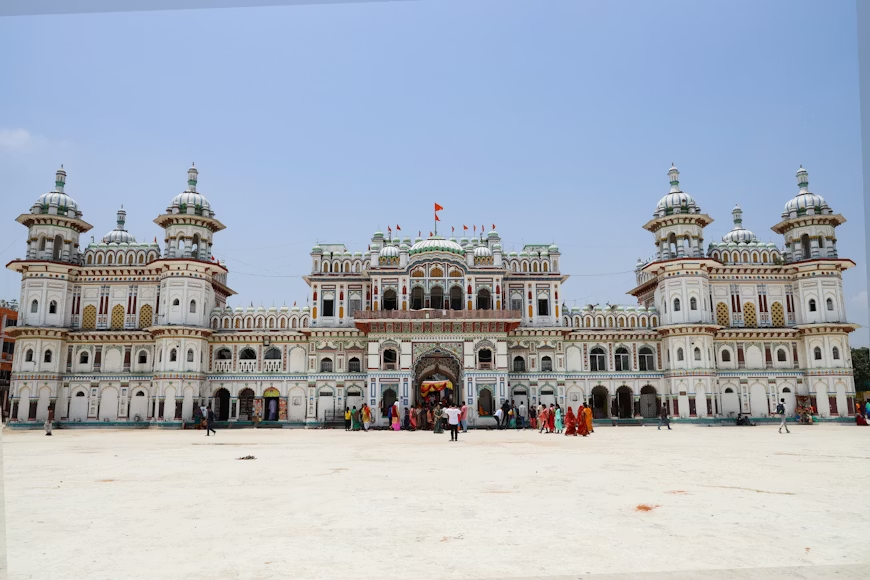
Province 2 lies in the southeastern region of Nepal, and its capital is Janakpur, a major religious and cultural hub. This province is primarily part of the Terai plains and is known for fertile soil, making agriculture the backbone of its economy. Rice, wheat, maize, and vegetables are widely cultivated.
The cultural diversity of Province 2 is impressive, with communities such as the Maithili, Bhojpuri, and Tharu living here. Janakpur, home to the famous Janaki Temple, attracts pilgrims from across the country. The province also has active marketplaces in Birgunj, Biratnagar, and Rautahat, supporting trade and commerce. Festivals and local traditions are celebrated with great enthusiasm, reflecting the rich cultural heritage of this region.
Bagmati Province: The Capital Region
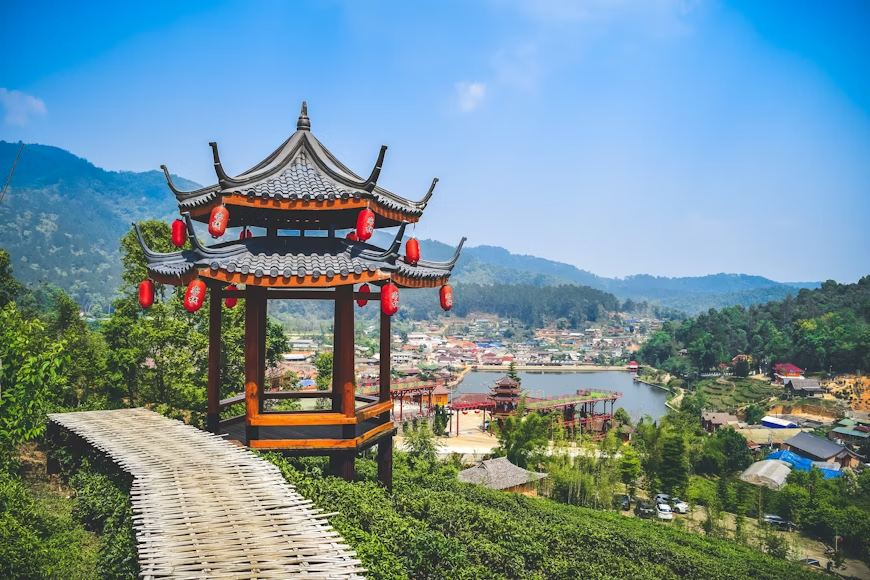
Located in central Nepal, Bagmati Province is home to the national capital, Kathmandu. This province is not only the political center of Nepal but also a hub for culture, religion, and education. Besides Kathmandu, other historical cities like Bhaktapur, Lalitpur, and Dhulikhel are part of this province.
Bagmati Province is rich in heritage sites, including Pashupatinath Temple, Swayambhunath Stupa, and Boudhanath Stupa, attracting thousands of domestic and international tourists. The province has a diverse population practicing Hinduism, Buddhism, and Kirat traditions. Economically, it is Nepal’s most developed province, with strong contributions from tourism, banking, education, and healthcare sectors.
Gandaki Province: Nature’s Paradise
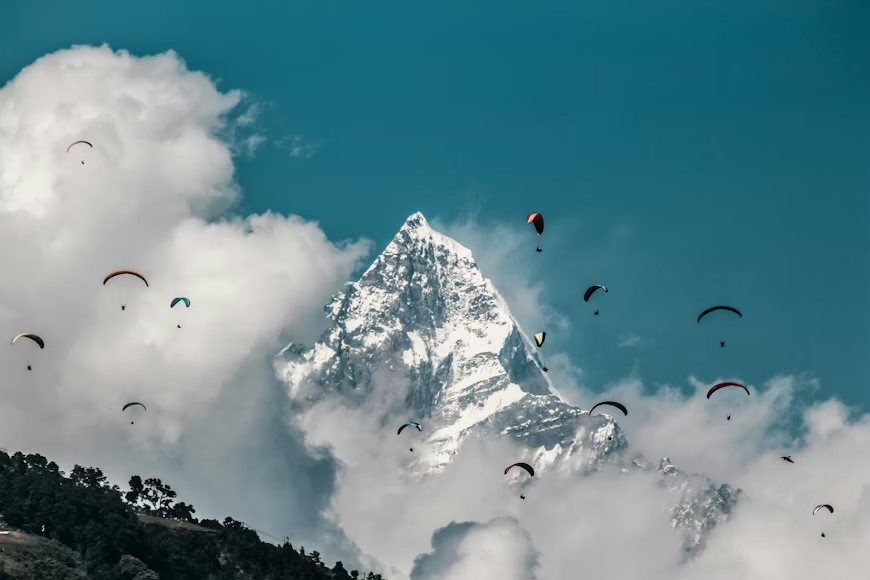
Gandaki Province is in western Nepal, with Pokhara as its capital. Pokhara is renowned as one of the most beautiful cities in the world, famous for Phewa Lake, Annapurna mountain range, and stunning viewpoints.
Adventure tourism, trekking, and natural sightseeing dominate Gandaki’s economy. Districts like Gorkha, Syangja, Kaski, and Myagdi hold historical and cultural significance. Local communities preserve traditional lifestyles, festivals, and arts, making Gandaki Province a blend of natural beauty and rich culture.
Lumbini Province: The Land of Peace
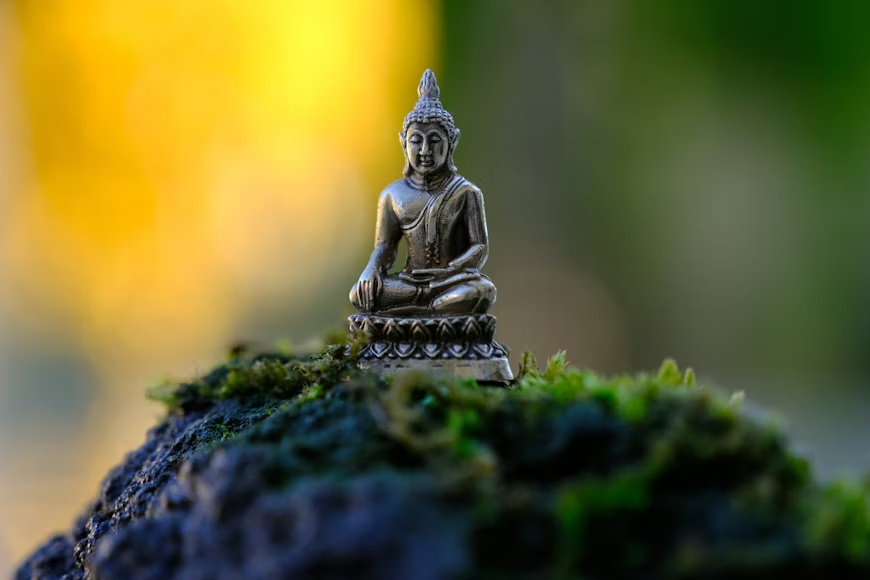
Lumbini Province lies in the southwest of Nepal, with Gorakhpur as its capital. It is most famous for Lumbini, the birthplace of Lord Buddha, which is a UNESCO World Heritage Site and a global pilgrimage destination.
The province features both hills and Terai plains. Agriculture and tourism are major economic contributors. Communities like the Tharu, Magar, and Nepali settlers live here. Lumbini Province embodies the spirit of peace, spirituality, and cultural harmony, attracting pilgrims and tourists alike.
Karnali Province: The Land of Tranquility
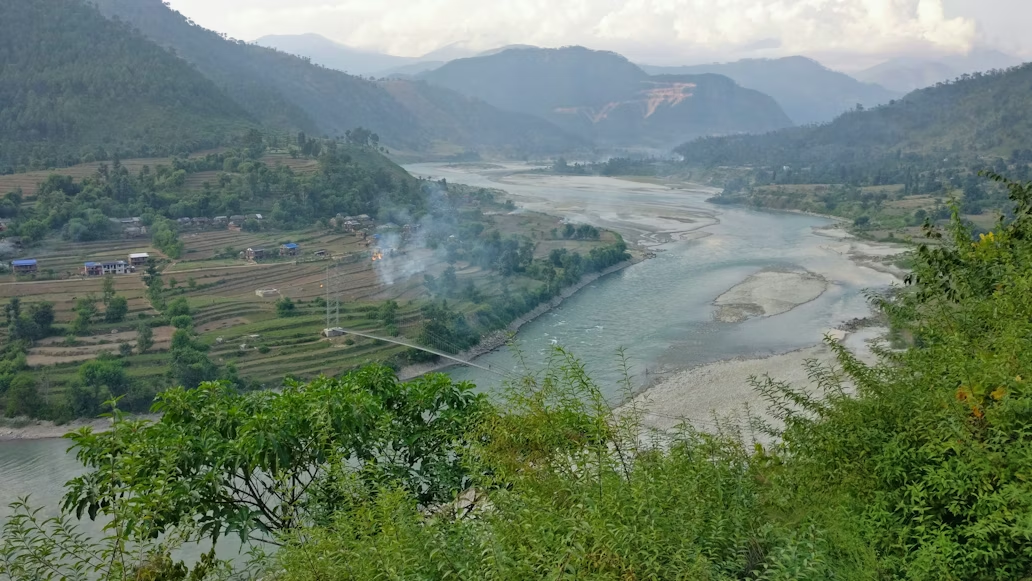
Situated in western Nepal, Karnali Province has Surkhet as its administrative center. It is the largest province by area but also one of the least populated, giving it a serene and untouched feel.
Karnali is rich in rivers, forests, and high mountains. The Karnali River, Rara Lake, and Khaptad National Park are major attractions. Traditional lifestyles dominate here, with simple living, folk arts, and vibrant festivals forming an essential part of the culture. Despite being remote, Karnali’s natural resources and cultural richness make it an important part of Nepal’s identity.
Sudurpashchim Province: The Western Frontier
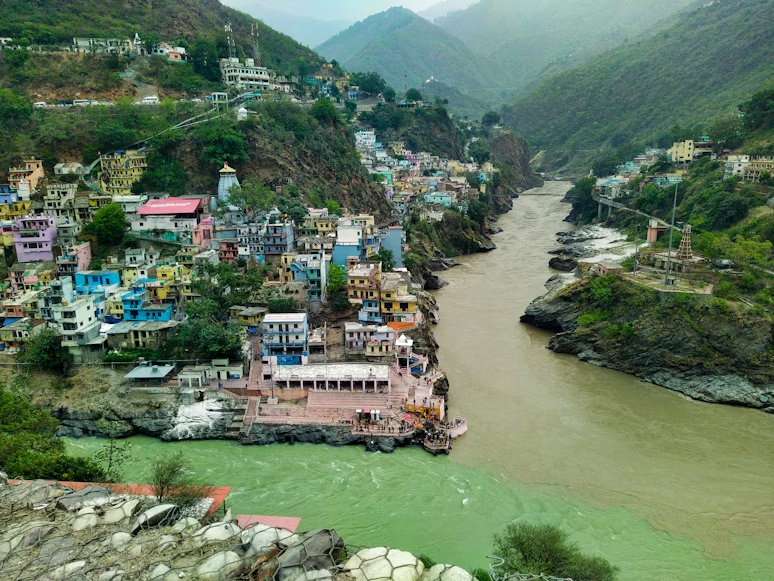
Sudurpashchim Province is the far western province of Nepal, with Dipayal as its capital. It has a mix of hilly and Terai landscapes and is known for its hardworking and resilient people.
Agriculture and animal husbandry are the main sources of livelihood. Languages spoken include Doteli, Kumauni, and Nepali. Sudurpashchim Province is culturally vibrant, with traditional festivals and local heritage sites being well-preserved. Important sites include the Mahakali River, Jhola, and other local marketplaces, contributing to both economy and culture.
Final Touch about 7 Best Tourists Provinces
The 7 Best Tourists provinces of Nepal together represent the country’s diverse geography, culture, and economy. From the high peaks of Province 1 to the plains of Province 2, the spiritual landscapes of Lumbini to the untouched wilderness of Karnali, each province contributes uniquely to Nepal’s identity.
Exploring all seven provinces is like experiencing the soul of Nepal—its mountains, rivers, traditions, festivals, and lifestyles. They teach us that diversity and unity coexist, and preserving culture while embracing development is the key to progress. For anyone interested in Nepal’s rich heritage, natural beauty, and vibrant communities, understanding the seven provinces is essential.