The Mountains of Nepal
Table of Contents
Toggle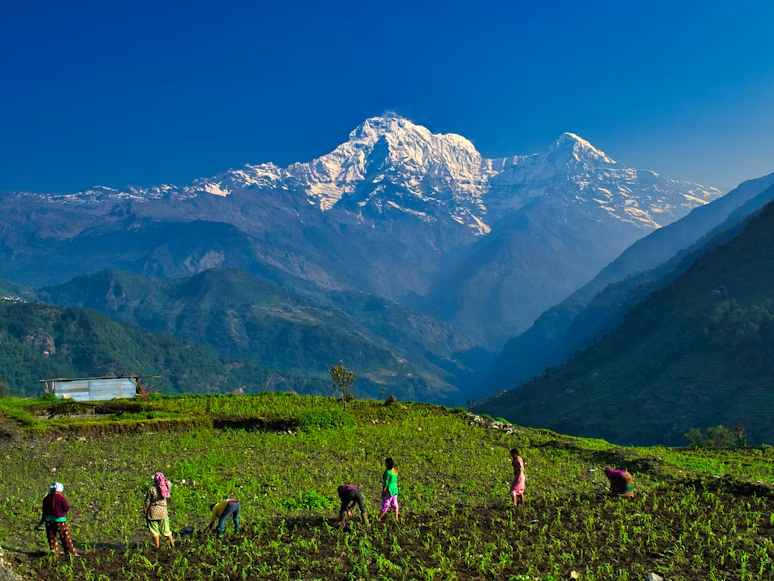
Nepal is a dream destination for anyone who loves Mountains and Himalayas of Nepal, nature, and adventure. They are part of everyday life, local culture, history, religion, and adventure. For travelers coming from different parts of the world, the mountains and Himalayas of Nepal offer an opportunity to experience dramatic landscapes, peaceful villages, ancient traditions, and some of the world’s most famous trekking routes.The northern part of the country is home to some of the highest mountains on Earth, including Mount Everest.
For many foreign travelers, visiting Nepal means seeing the Himalayas for the first time. Some come for trekking, some for mountain photography, some for culture, and others simply want to enjoy the peaceful atmosphere of the mountain valleys.
Nepal is home to eight mountains higher than 8,000 meters, including Mount Everest, the highest mountain in the world. But there are also many lower peaks and beautiful viewpoints that can be enjoyed without serious mountaineering experience.
For many visitors, the mountains become more than a destination. They become one of the most memorable parts of their journey through Nepal.
Understanding the Himalayas of Nepal
The Himalayas form the northern mountain region of Nepal. The country’s geography can broadly be divided into the Terai, hill, and Himalayan regions. The Himalayan region begins at around 3,000 meters and rises toward the high alpine and snow-covered mountains.
Nepal is especially famous because eight of the world’s fourteen mountains higher than 8,000 meters are located within the country. These include Mount Everest, Kanchenjunga, Lhotse, Makalu, Cho Oyu, Dhaulagiri, Manaslu, and Annapurna I.
The Himalayas are not only about high peaks. They include deep valleys, glaciers, rivers, forests, alpine meadows, high-altitude lakes, traditional villages, monasteries, and protected areas.
This combination makes Nepal different from a destination where travelers simply visit a mountain viewpoint. In Nepal, visitors can actually walk through the landscapes and communities surrounding the mountains.
Mount Everest: The World's Highest Mountain
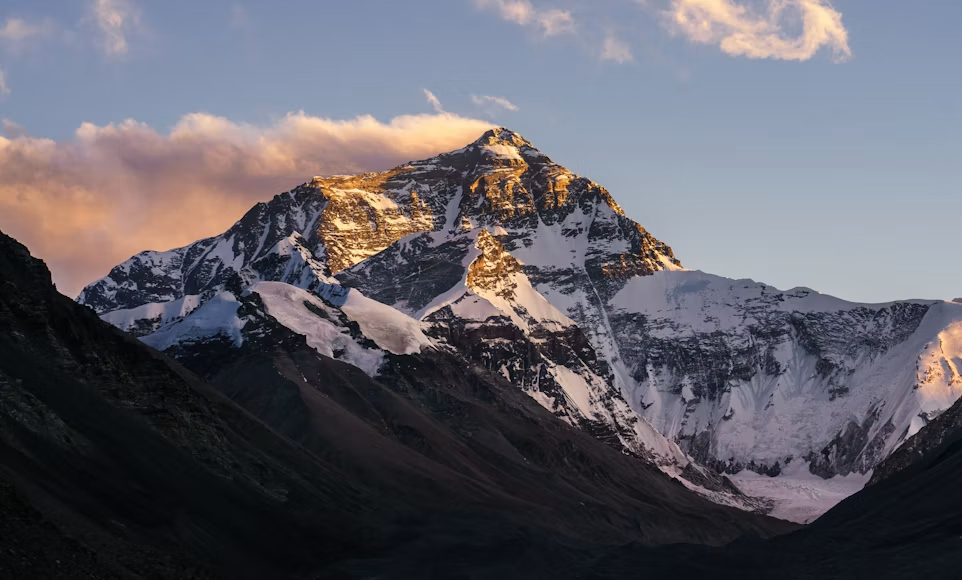
Mount Everest is perhaps the first name that comes to mind when people think about the mountains of Nepal.
Known as Sagarmatha in Nepal, Mount Everest rises to 8,848.86 meters above sea level according to the elevation established jointly by Nepal and China in 2020. The mountain lies in the Mahalangur section of the Himalayas on the Nepal-China border.
Everest Base Camp
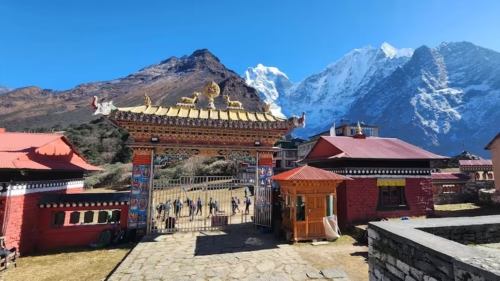
Travelers do not need to climb Mount Everest to experience the Everest region. The Everest Base Camp Trek is one of the most famous trekking experiences in Nepal.
The journey takes travelers through mountain villages, suspension bridges, forests, Buddhist monasteries, and high-altitude landscapes. Namche Bazaar is one of the important settlements along the route and is often used as an acclimatization stop.
The Everest region is also home to Sagarmatha National Park, a protected Himalayan area known for its dramatic mountains, glaciers, wildlife, and Sherpa communities.
Sherpa Culture in the Everest Region
One of the special parts of traveling through the Everest region is meeting local Sherpa communities.
The journey is not only about reaching a particular viewpoint. Travelers can see monasteries, prayer flags, mani walls, traditional houses, and mountain villages while learning about the way people live at high altitude.
This cultural side of the Everest region can make the experience much more meaningful than simply taking photographs of Mount Everest.
The Annapurna Mountains
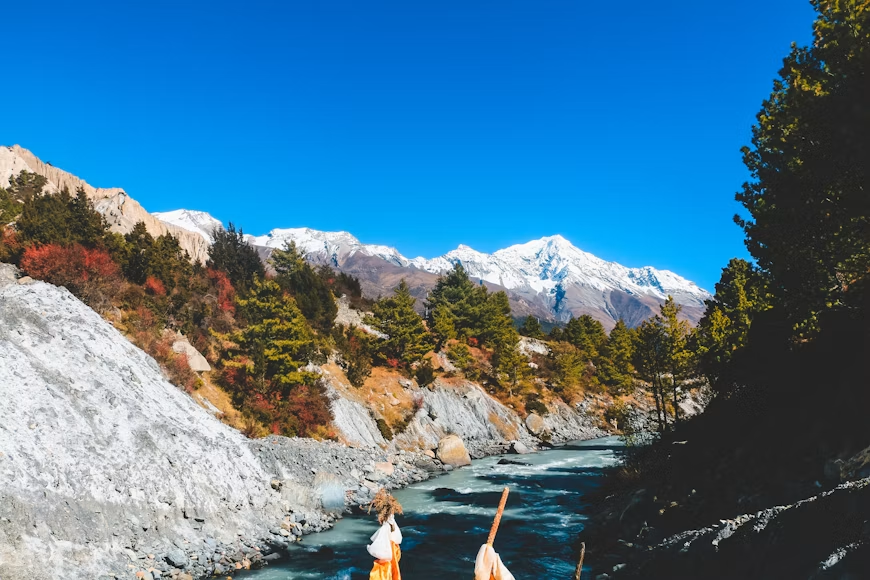
The Annapurna region is another major attraction for travelers interested in the Himalayas of Nepal.
Annapurna I stands at 8,091 meters and is the tenth-highest mountain in the world. The Annapurna massif includes several major peaks and lies within the Annapurna Conservation Area.
Annapurna Circuit
The Annapurna Circuit is one of Nepal’s best-known trekking routes.
One of its biggest attractions is the changing landscape. Travelers can move from green valleys and forests into higher mountain environments and eventually reach landscapes that look much drier and more Tibetan in character.
The route passes through different communities and offers views of mountains such as Annapurna, Dhaulagiri, Manaslu, and other Himalayan peaks. The famous Thorong La pass reaches approximately 5,416 meters.
Annapurna Base Camp
The Annapurna Base Camp trek is another popular choice for travelers who want a shorter Himalayan trekking experience.
The route passes through villages, forests, stone paths, and mountain valleys before reaching the base camp area surrounded by impressive peaks.
For travelers who want mountain scenery without committing to a very long expedition, the Annapurna region offers several trekking possibilities.
Manaslu and Its Remote Mountain Landscape
Mount Manaslu stands at 8,163 meters and is one of Nepal’s eight mountains above 8,000 meters.
The Manaslu region is known for its dramatic landscapes and relatively remote atmosphere. Trekking in this area can provide a different experience from the more established routes of Everest and Annapurna.
Visitors can experience mountain villages, forests, rivers, Buddhist cultural traditions, and changing landscapes as the trail moves toward higher elevations.
For travelers interested in quieter Himalayan journeys, the Manaslu region can be an appealing destination.
Langtang: Mountains Close to Kathmandu
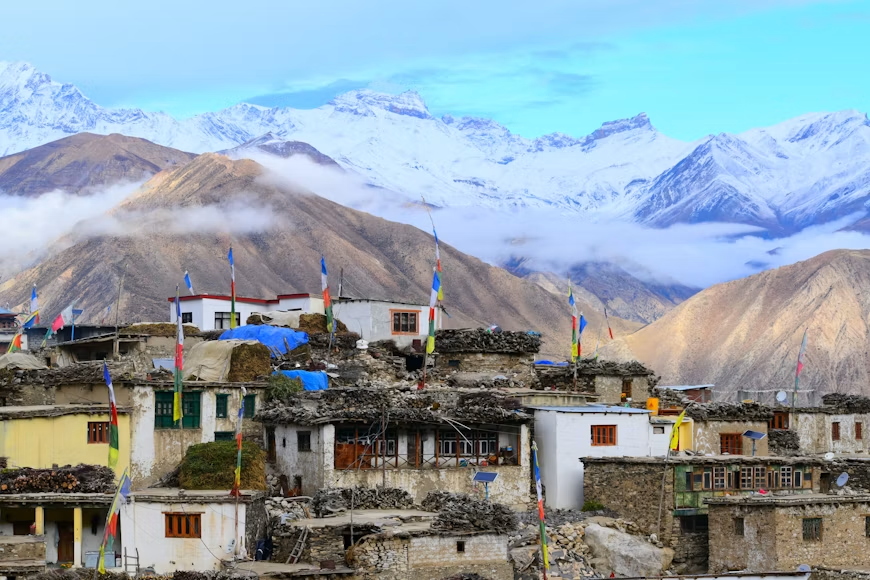
Langtang is another important Himalayan region of Nepal and is particularly interesting for travelers who want to experience the mountains without traveling as far as some of the more remote trekking areas.
The region combines mountain scenery with villages, forests, rivers, and local culture.
The Langtang Valley is surrounded by impressive Himalayan peaks and offers opportunities for trekking and exploring local communities.
Because of its accessibility from Kathmandu compared with some other Himalayan destinations, Langtang can be a practical choice for travelers with limited time.
Kanchenjunga in Eastern Nepal
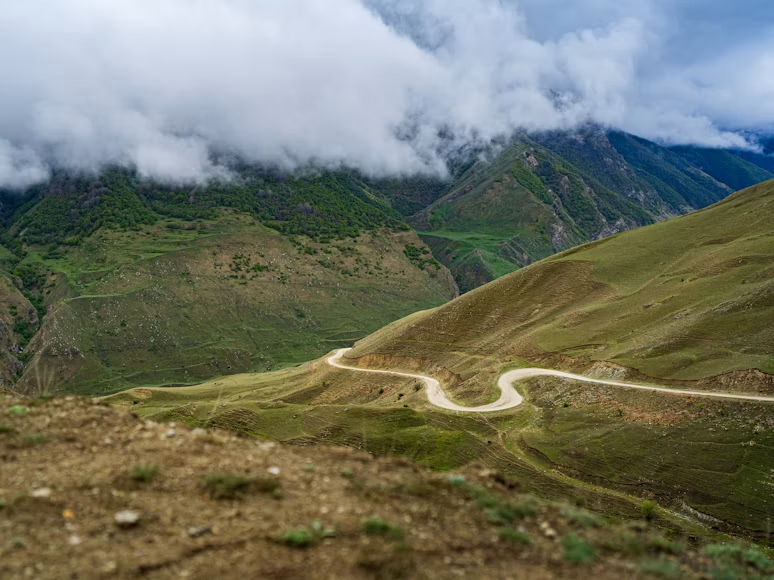
Kanchenjunga is located in eastern Nepal and rises to 8,586 meters. It is one of the world’s highest mountains and one of Nepal’s eight 8,000-meter peaks.
The Kanchenjunga region is known for its remote trails, mountain landscapes, forests, and traditional communities.
Compared with Everest and Annapurna, this region generally feels less crowded and more remote. Travelers who enjoy wilderness and longer trekking journeys may find the area particularly interesting.
Makalu and the High Himalayas
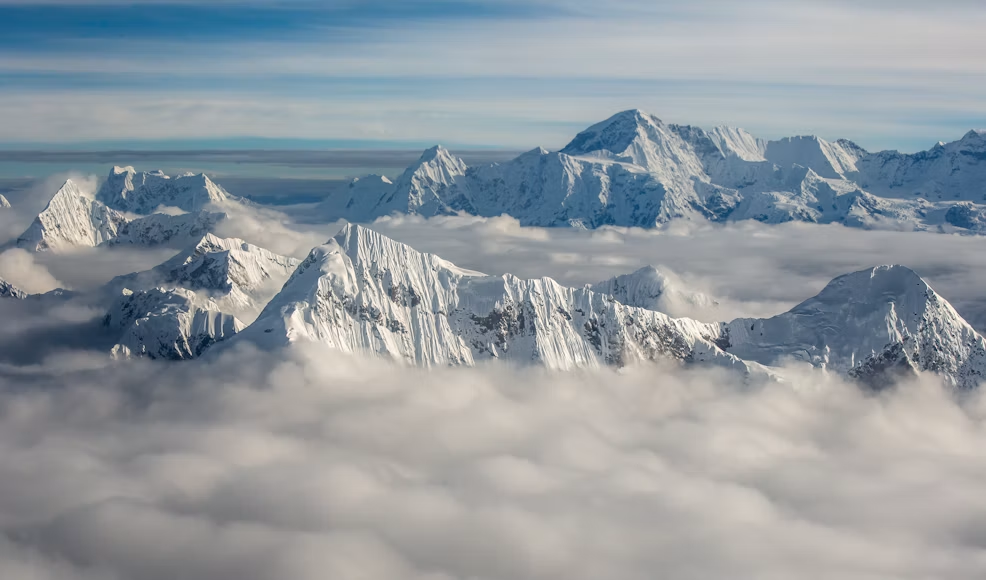
Mount Makalu reaches 8,463 meters and is another of Nepal’s highest mountains.
The Makalu region offers a combination of dramatic mountain scenery, forests, remote valleys, and high-altitude landscapes.
Makalu Barun National Park is also important for its natural environment and biodiversity. The region gives travelers an opportunity to experience a less commercialized side of the Nepal Himalayas.
Dhaulagiri and the Kali Gandaki Landscape
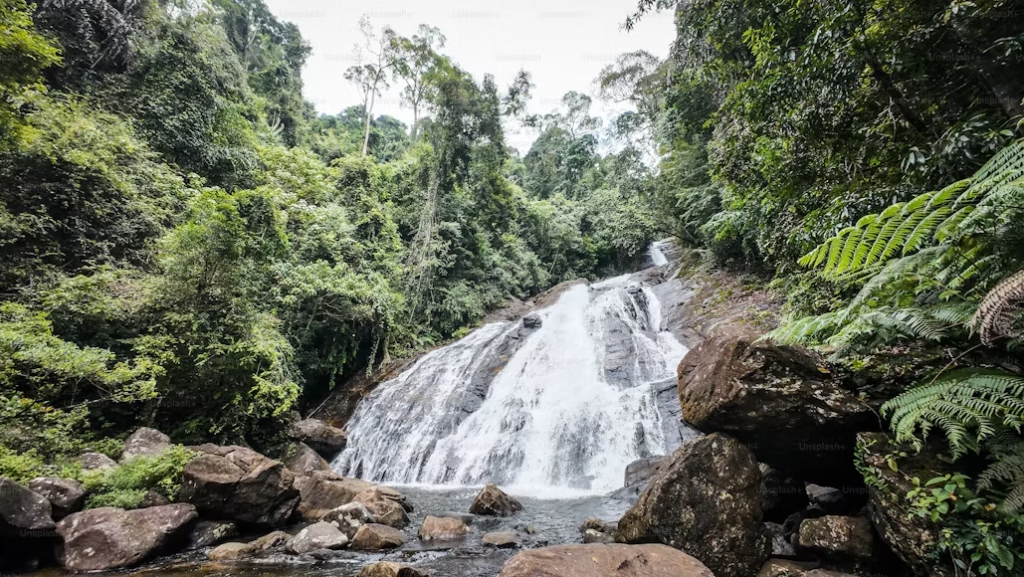
Mount Dhaulagiri stands at 8,167 meters and is located in western Nepal.
The Dhaulagiri region is famous for rugged mountain landscapes and challenging trekking routes.
The Kali Gandaki valley is especially interesting because it separates the Annapurna and Dhaulagiri massifs. The landscape changes dramatically as travelers move from lower valleys toward the high mountains.
This area is a good example of how varied the Himalayan environment can be within a relatively short distance.
Mustang: A Different Side of the Himalayas
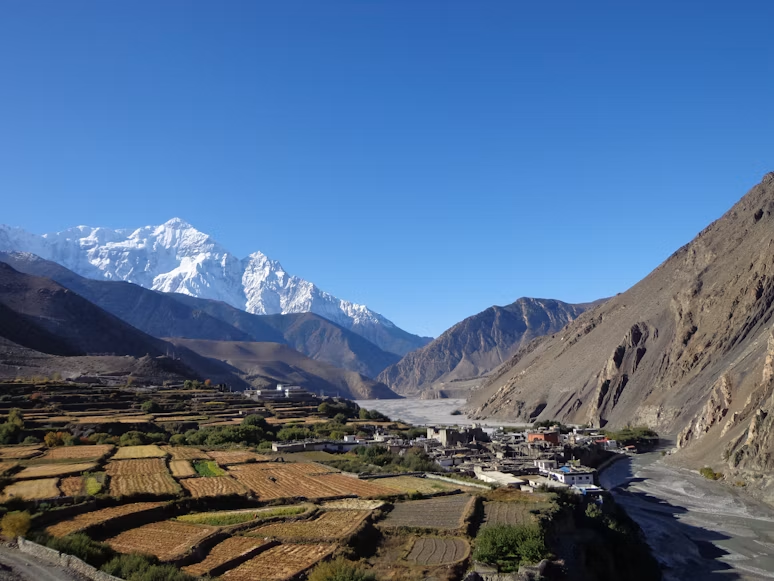
Mustang offers a completely different Himalayan experience.
Instead of only seeing snow-covered mountains and green forests, travelers can discover dry valleys, cliffs, caves, ancient settlements, and landscapes influenced by the Tibetan Plateau.
Upper Mustang
Upper Mustang is particularly famous for its unique landscape and cultural heritage.
Lo Manthang, the historic settlement in Upper Mustang, is one of the most fascinating places to visit in this region. The area has strong Tibetan cultural influences and traditional architecture.
Because Upper Mustang is a restricted area, travelers need the appropriate permit to visit it.
Muktinath
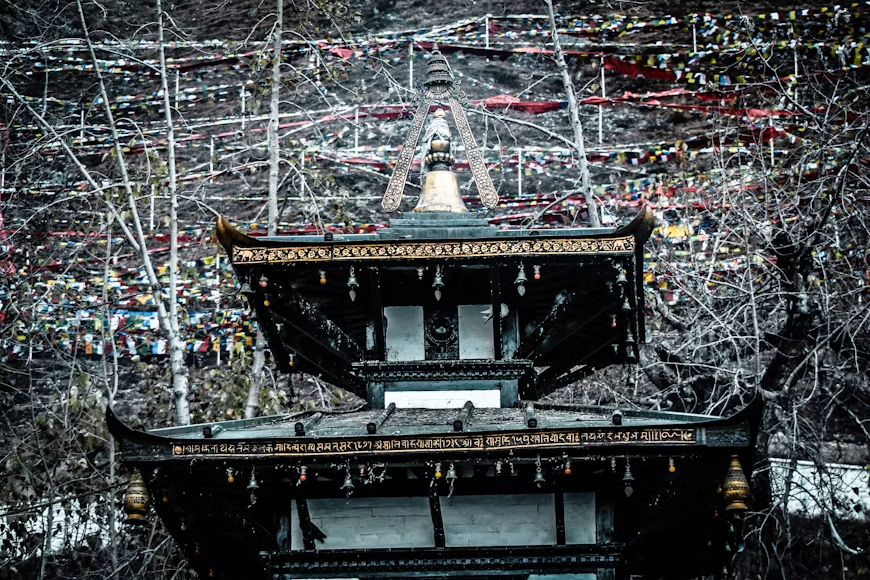
Muktinath is another important destination in the Mustang region. It has religious importance for both Hindu and Buddhist visitors.
The combination of spirituality, mountain scenery, and local culture makes Muktinath an interesting stop for travelers exploring the Annapurna and Mustang areas.
The Natural Beauty of the Nepal Himalayas
The Himalayas are not only about mountains.
The highlands contain forests, rivers, glaciers, waterfalls, alpine meadows, and lakes. Many rivers begin in the mountains and eventually flow toward the southern plains.
At lower elevations, travelers may walk through forests containing pine, rhododendron, fir, birch, and other vegetation. At higher elevations, the landscape becomes more alpine, with fewer trees and increasing amounts of rock and snow.
This gradual change is one of the most enjoyable parts of trekking in Nepal.
Himalayan Lakes
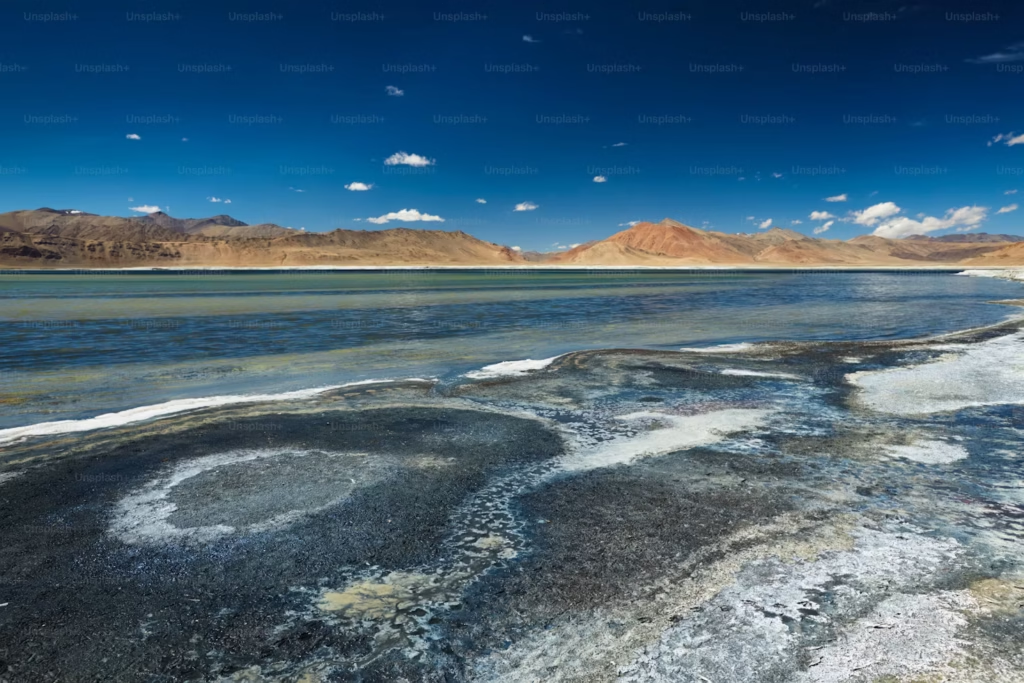
Nepal’s mountain regions are also home to beautiful high-altitude lakes.
Tilicho Lake in the Annapurna region is one of the best-known examples. The lake sits at approximately 4,919 meters and is surrounded by dramatic Himalayan terrain.
Other famous Himalayan lakes include Gokyo Lakes and Gosaikunda.
These lakes can become important destinations within longer trekking journeys and provide travelers with spectacular opportunities for photography.
Trekking in the Mountains of Nepal
Trekking is one of the main ways foreign visitors experience the Mountains and Himalayas of Nepal
Popular trekking regions include Everest, Annapurna, and Langtang, while destinations such as Kanchenjunga and Dolpo offer more remote experiences. Nepal also has the Great Himalayan Trail, which stretches across the country from east to west.
Why Trekking Is Special in Nepal
Trekking in Nepal is different from simply hiking through a natural park.
Along the way, travelers can stay in mountain lodges or teahouses, meet local residents, visit villages, see monasteries, cross suspension bridges, and experience different landscapes.
The journey itself becomes part of the destination.
Trekking for Different Experience Levels
There are shorter hikes and lower-altitude routes that provide excellent mountain views without requiring weeks in the high Himalayas.
More experienced trekkers can choose longer and more demanding routes such as Everest Base Camp, Annapurna Circuit, Manaslu, or other high-altitude journeys.
Choosing a route based on fitness, experience, available time, and altitude tolerance is important
Best Time to Visit Mountains and Himalayas of Nepal
The best season depends on the destination and the type of experience a traveler wants.
For many popular trekking areas, spring and autumn are widely preferred because of generally favorable trekking conditions and mountain visibility.
Spring usually brings warmer conditions and blooming rhododendrons in many lower and middle-altitude areas. Autumn is popular for clear mountain views and comfortable trekking weather.
Some areas, such as Upper Mustang, are located in a rain-shadow zone and can offer different conditions from other Himalayan regions.
Preparing for a Himalayan Trek
Good preparation can make a major difference to a traveler’s experience.
Before starting a trek, visitors should understand the expected altitude, distance, weather, accommodation, food availability, and required permits.
Acclimatization
Altitude is one of the most important things to consider when trekking in the Himalayas.
Travelers should avoid rushing to high elevations. Proper acclimatization days allow the body to adjust gradually to thinner air.
This is particularly important on high-altitude routes such as the Everest region. Nepal Tourism Board also emphasizes the need for proper acclimatization because altitude increases can be rapid in the Everest area.
What to Pack
The exact packing list depends on the trek, season, and altitude.
Common items include:
- Comfortable trekking shoes
- Warm layers
- Waterproof jacket
- Gloves and hat
- Comfortable backpack
- Reusable water bottle
- Sunglasses and sunscreen
- Personal medicines
- Basic first-aid supplies
- Headlamp
- Power bank
- Important travel documents
Wildlife and Conservation in the Himalayas
The Himalayan region supports a surprising variety of wildlife.
Sagarmatha National Park, for example, provides habitat for animals such as musk deer, Himalayan tahr, ghoral, and several bird species. Rare wildlife such as the snow leopard is also associated with the wider Himalayan environment.
Protected areas are important because tourism and conservation need to develop together.
Travelers can help by avoiding litter, respecting wildlife, using established trails, reducing unnecessary plastic use, and following local environmental rules.
Mountain Communities and Local Culture
The people living in Nepal’s mountain regions are an important part of the Himalayan experience.
Different communities have their own languages, traditions, foods, clothing, festivals, architecture, and religious practices.
In the Everest region, Sherpa culture is particularly well known. In the Annapurna region, travelers can encounter Gurung, Magar, Thakali, and other communities.
Visiting mountain villages gives foreign travelers an opportunity to understand Nepal beyond its landscapes.
Respecting local customs is important. Travelers should ask before photographing people, follow monastery rules, dress appropriately when visiting religious places, and treat local communities with respect.
Mountain Viewing Without Long Trekking
Travelers can explore mountain viewpoints, scenic hill towns, short hiking routes, and flights offering views of the Himalayan range.
Pokhara is particularly popular for mountain views, while areas around Kathmandu also offer opportunities to see Himalayan peaks on clear days.
This means visitors can experience the beauty of Nepal’s mountains even if they are not experienced trekkers.
Why the Mountains of Nepal Are Worth Visiting
The mountains of Nepal offer something for many different types of travelers.
Adventure seekers can trek and climb. Nature lovers can explore forests and wildlife. Photographers can capture changing landscapes and mountain light. Cultural travelers can visit villages and monasteries. Others may simply want to enjoy the peaceful atmosphere of the Himalayas.
The most memorable part of a Himalayan journey is often not a single mountain.
Responsible Travel in the Himalayas
The popularity of Nepal’s mountains also creates responsibilities for visitors.
Foreign travelers can help protect the Himalayas by carrying their waste, avoiding unnecessary plastic, respecting local culture, supporting local businesses, and following conservation rules.
Choosing local guides, teahouses, homestays, and locally owned services can also help tourism benefits reach mountain communities.
Responsible travel allows future generations of travelers and local residents to enjoy these landscapes as well.
Final Thoughts
The mountains and Himalayas of Nepal are much more than a collection of high peaks.
They are living landscapes filled with rivers, forests, glaciers, villages, monasteries, wildlife, and diverse communities. From the famous trails of Everest and Annapurna to the quieter landscapes of Kanchenjunga, Manaslu, Makalu, Mustang, and other Himalayan regions, Nepal offers many ways to experience the mountains.
For a first-time visitor, the Himalayas can seem distant and almost unreal when viewed in photographs. But walking through a mountain village, hearing a river below a trail, seeing prayer flags move in the wind, and watching sunlight reach a snow-covered peak can make the experience feel personal.
Whether you are planning a challenging trek or simply want to see the world’s highest mountains, Nepal provides opportunities to experience the Himalayas at your own pace.
The mountains are one of Nepal’s greatest natural treasures, and visiting them is not only about reaching a destination. It is about experiencing the journey, the people, the culture, and the remarkable landscapes along the way.
Pingback: Explore the Seven Best tourists Provinces in Nepal
Pingback: Things to Do in Nepal - 18 best Expereinces