Nepal Culture and Heritage: A Journey into Tradition and History
Table of Contents
Toggle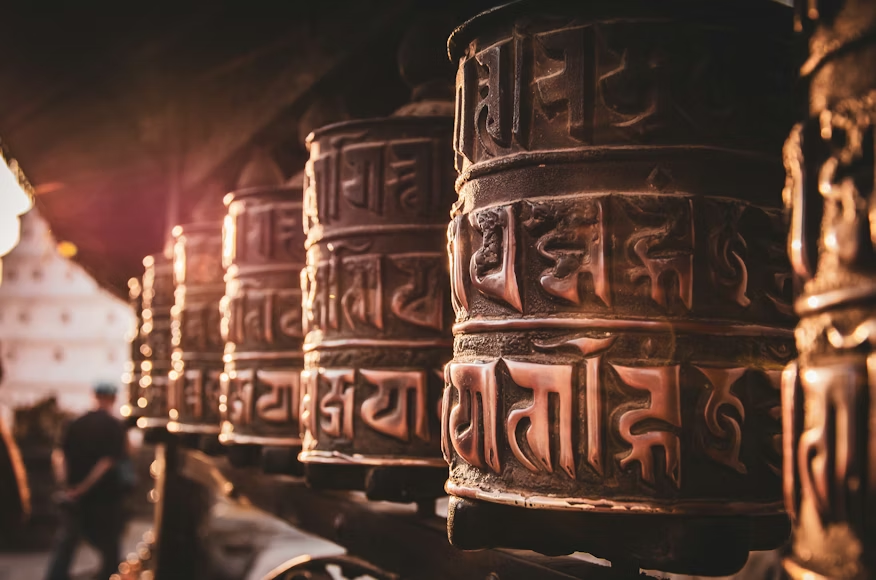
Nepal is a country where culture and heritage come alive in everyday life. Experiencing Nepal culture and heritage is like stepping into a living museum—where festivals, temples, and traditions are not just preserved but celebrated with passion. For foreign travelers, a Nepal tour for foreigners offers the perfect chance to explore rich traditions, historic monuments, and spiritual practices that have been part of Nepal for centuries.
A Rich Historical Legacy
Nepal’s culture and heritage are shaped by a unique blend of Hinduism, Buddhism, and indigenous practices. Centuries of royal patronage have created cities rich in architecture, art, and learning. Kathmandu Valley, with its ancient cities of Kathmandu, Bhaktapur, and Patan, is a hub of Nepal culture and heritage, featuring intricately carved temples, historic palaces, and lively courtyards.
UNESCO World Heritage Sites such as the Durbar Squares showcase Nepal’s historical richness. These squares are not just tourist attractions—they are living centers of culture where locals celebrate festivals, practice crafts, and carry out daily rituals. For foreign tourists visiting Nepal, walking through these squares is like traveling back in time while still feeling the pulse of modern life.
Temples and Spirituality
Religious sites are at the heart of Nepal culture and heritage. Pashupatinath Temple, one of the holiest Hindu sites, and Swayambhunath Stupa, a significant Buddhist monument, offer foreign travelers a glimpse into Nepal’s spiritual life. In Lumbini, the birthplace of Lord Buddha, visitors experience peace and serenity, surrounded by monasteries built by different countries.
These temples and sacred spaces are more than religious landmarks—they reflect Nepalese values of community, respect, and harmony. Foreign tourists can observe rituals, participate respectfully, and gain a deeper understanding of the traditions that shape daily life in Nepal.
Festivals and Celebrations
Nepal is known as the land of festivals, and celebrating them is a vital part of its culture and heritage. Dashain, the longest Hindu festival, celebrates the victory of good over evil, while Tihar, the festival of lights, honors animals and family ties. Holi, the festival of colors, and Buddha Jayanti, celebrating Lord Buddha’s birth, are other highlights.
Participating in or witnessing these festivals allows foreign travelers to experience the vibrancy and warmth of Nepalese life. The music, colors, and communal spirit showcase how deeply tradition and culture are woven into everyday life.
Language and Ethnic Diversity
Nepal is home to more than 125 ethnic groups and over 120 languages. Each group contributes to the diversity of Nepal culture and heritage, from the Newars of Kathmandu Valley to the Gurungs and Magars of the hills and the Tharus of the Terai plains. This variety is reflected in festivals, food, clothing, and customs, making every visit to Nepal a unique cultural experience.
Living Heritage
What sets Nepal apart is that its heritage is alive. Unlike destinations where culture is only preserved in museums, in Nepal, traditions thrive in everyday life. Monks chant in monasteries, artisans craft in public squares, and communities celebrate seasonal festivals with joy. Modern life coexists with ancient practices, creating a timeless atmosphere where foreign travelers can truly connect with the soul of the country.
Even in urban areas, heritage is respected. Historical architecture stands alongside bustling markets, and spiritual practices are integrated into daily routines. This harmony of past and present makes Nepal a rare and unforgettable destination.
Traditional Arts and Crafts
Art and craftsmanship are key aspects of Nepal culture and heritage. From wood carvings on temples to handwoven textiles, pottery, and metalwork, Nepalese artisans preserve centuries-old techniques. Bhaktapur, in particular, is famous for its pottery squares, paubha paintings, and mask-making traditions.
Music and dance are equally important. Traditional instruments like the sarangi and madal accompany folk dances, which narrate stories of mythology, history, and daily life. For foreign travelers, experiencing these arts firsthand is an immersive way to connect with the living culture of Nepal.
Final Thoughts
Exploring Nepal culture and heritage is an enriching experience for foreign tourists. From ancient temples and palaces to colorful festivals, arts, and living traditions, Nepal offers a unique journey into history, spirituality, and community life. Nepal tour for foreigners is not just sightseeing—it’s an opportunity to immerse in a culture that is vibrant, welcoming, and timeless.
Visiting Nepal allows travelers to witness a society where history, tradition, and everyday life are intertwined, leaving a lasting impression on anyone who steps into this culturally rich Himalayan nation.