Is Nepal Safe for Tourists
Table of Contents
Toggle
Nepal is a beautiful travel destination famous for the Himalayas, ancient temples, peaceful lakes, traditional villages, and welcoming communities. Every year, international travelers visit Nepal to experience its natural beauty, adventure activities, and rich cultural heritage. However, before planning a holiday, many visitors ask an important question:
The short answer is that many tourists visit Nepal without serious problems, but no destination is completely risk-free. Travelers should understand possible dangers, prepare for local conditions, and follow reliable safety advice.
In this guide, you will discover the advantages and disadvantages of traveling in Nepal, common safety risks, practical precautions, and useful information for planning a safer journey.
Is Nepal Safe for Foreigners Tourists
Nepal can be a rewarding destination for international tourists who plan their trips carefully. Popular destinations such as Kathmandu, Pokhara, Chitwan, and Lumbini offer different experiences, including cultural sightseeing, wildlife activities, hiking, and relaxation.
Tourist areas have hotels, restaurants, tour operators, and transportation services that help visitors organize their journeys. Nepal also has a dedicated Tourist Police service that assists travelers with safety concerns, complaints, and certain emergencies.
However, conditions can differ significantly between cities, rural villages, and remote mountain regions. A traveler visiting Kathmandu for a few days faces different risks from someone trekking at high altitude or traveling during heavy monsoon rainfall.
It is important to remember that friendly local people and beautiful scenery do not eliminate every travel risk. Visitors should remain aware of their surroundings, respect local laws, and check current travel information before departure.
Is Nepal Safe for Foreigners Tourists
Despite some challenges, Nepal offers many reasons to attract international visitors.
Beautiful Natural Landscapes
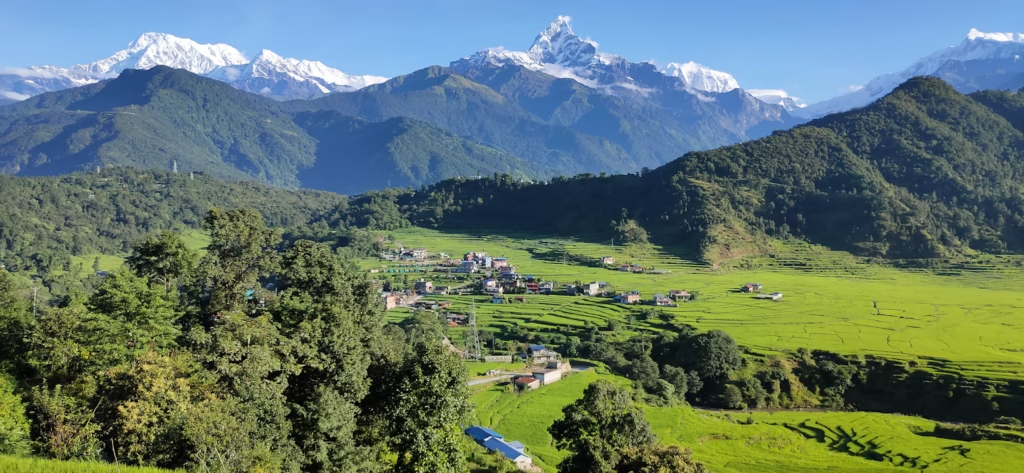
Nepal is home to the Himalayan mountain range, green hills, rivers, forests, and peaceful lakes. Travelers can enjoy mountain views, explore national parks, and discover rural communities.
Pokhara is popular for its lakes and mountain scenery, while the Everest and Annapurna regions attract trekking enthusiasts. Chitwan offers opportunities to experience wildlife and local culture.
Travelers should choose activities according to their fitness, experience, and the current weather conditions.
Rich Culture and Historical Attractions
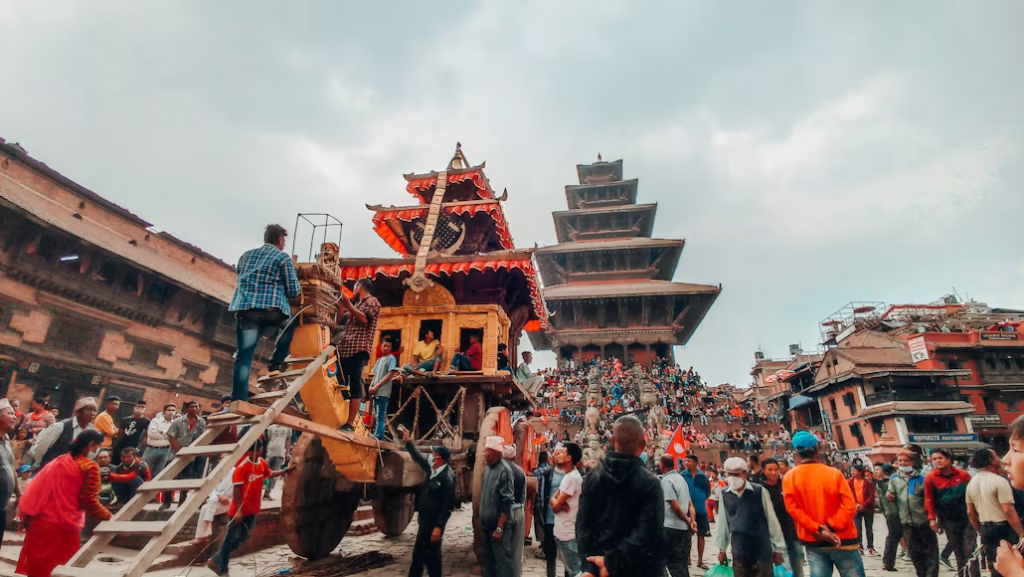
Nepal has a long cultural history and a diverse range of traditions. Visitors can explore historic squares, Buddhist monasteries, Hindu temples, traditional markets, and heritage sites.
Kathmandu Valley is particularly interesting for travelers who want to understand Nepalese architecture, religion, and history. Lumbini attracts visitors interested in the birthplace of Gautama Buddha.
Respecting religious customs, dressing appropriately at sacred places, and asking permission before photographing people can help create positive interactions with local communities.
Opportunities for Different Budgets
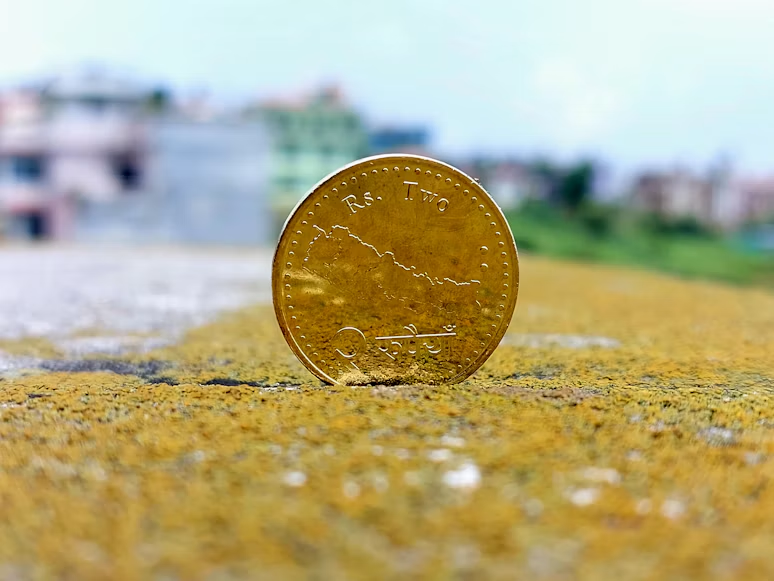
Nepal offers a range of accommodation, restaurants, transportation options, and travel experiences. Visitors may choose budget guesthouses, comfortable hotels, or luxury accommodation depending on their preferences.
However, the total cost depends on the season, destination, travel style, transportation, and activities. Remote trekking trips and guided mountain expeditions can cost substantially more than ordinary city sightseeing.
Compare prices, understand what is included in a package, and confirm any additional charges before booking.
Welcoming Local Communities
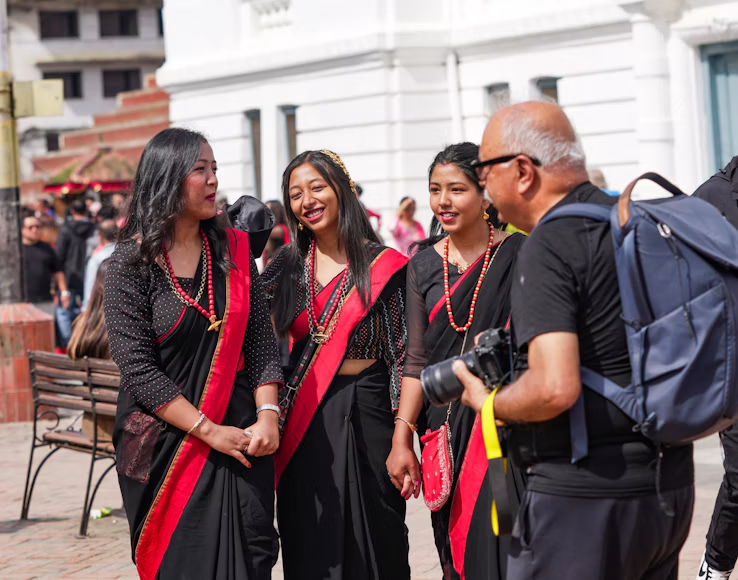
Many travelers appreciate the hospitality they experience in Nepal. Local hosts, hotel staff, guides, and shopkeepers can help visitors understand the country and its traditions.
Learning a few simple Nepali greetings and showing respect for local customs can improve the travel experience.
Nevertheless, tourists should not assume that every person or business is trustworthy. Use sensible judgment when accepting unsolicited offers or sharing personal information.
Common Safety Risks Tourists Should Know About
A realistic travel guide should explain both the positive experiences and the potential problems visitors may encounter.
Petty Theft and Pickpocketing
Crowded markets, busy streets, public transportation, and popular tourist areas can present opportunities for pickpocketing or theft.
Tourists carrying expensive phones, cameras, passports, or large amounts of cash should take extra care in crowded places.
How to reduce the risk:
Keep your passport and spare cash in a secure location.
Use a bag that closes securely and keep it within sight.
Avoid displaying expensive jewelry unnecessarily.
Keep digital copies of important travel documents.
Do not leave belongings unattended in restaurants or vehicles.
Taxi Fare Disagreements and Misleading Offers
Some visitors may experience confusion about taxi prices, tour packages, or the services included in a booking. Unclear agreements can lead to unexpected charges and frustrating situations.
Before accepting a ride or tour, confirm the total price, destination, and any extra fees. Use reputable transportation providers and registered travel businesses where appropriate.
Avoid paying large amounts to an unknown person who pressures you into making an immediate decision. Request a written booking confirmation for expensive tours or accommodation.
If an offer sounds unusually attractive, compare it with other providers before paying.
Road Accidents and Difficult Transportation
Road travel is an important safety consideration in Nepal. Some mountain roads are narrow, steep, winding, or vulnerable to landslides. Heavy rainfall, poor visibility, traffic congestion, and road conditions can make journeys more difficult.
Long-distance journeys may take longer than expected, particularly when roads are damaged or weather conditions change.
For safer transportation:
Choose reputable bus operators or licensed transport providers.
Wear a seat belt whenever one is available.
Avoid traveling with drivers who appear tired or drive dangerously.
Allow extra time for mountain journeys.
Check road conditions before leaving.
Avoid unnecessary travel through dangerous areas during severe weather.
Trekking Accidents and Altitude Sickness
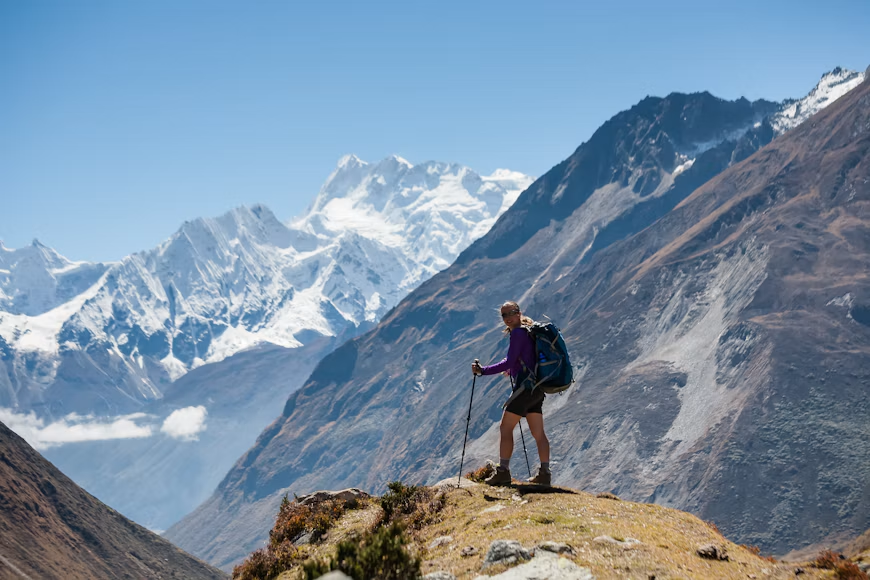
Trekking is one of Nepal’s most popular tourist activities, but it can also be one of its most serious safety challenges.
High-altitude environments can cause acute mountain sickness, even in travelers who are physically fit. Early symptoms may include headaches, nausea, dizziness, loss of appetite, and unusual tiredness.
More severe symptoms can become life-threatening. Do not continue climbing when altitude sickness is suspected. Seek qualified medical advice, and descend when necessary.
Other mountain hazards include falling rocks, avalanches, landslides, sudden weather changes, and difficult trail conditions.
For safer trekking:
Choose a route that matches your experience.
Hire a qualified guide when required or when appropriate for the route.
Ascend gradually and allow time to acclimatize.
Check weather forecasts and trail conditions.
Carry suitable clothing, water, and emergency supplies.
Share your itinerary with a trusted person.
Obtain appropriate travel and medical evacuation insurance.
Weather, Floods, and Landslides
Nepal’s geography creates different weather conditions across the country. Monsoon rainfall can increase the risk of flooding and landslides, while mountain weather may change rapidly.
Natural hazards can damage roads, interrupt transportation, and make trekking routes unsafe. Earthquakes are another risk travelers should understand.
Before visiting remote areas, check official weather information and local travel updates. If authorities advise people to avoid an area, follow their instructions rather than continuing with a planned itinerary.
Never attempt to cross a flooded river or walk onto a damaged bridge. A journey should be postponed when conditions are unsafe.
Food and Drinking Water Safety
Trying traditional Nepalese food is an enjoyable part of traveling, but unfamiliar food and unsafe drinking water can cause illness.
Tap water should not automatically be considered safe to drink. Food safety standards may also vary between establishments.
To reduce the risk of stomach problems:
Drink sealed bottled water or properly treated water.
Choose food that is freshly prepared and served hot.
Wash your hands before eating.
Wash fruit with safe water and peel it when appropriate.
Be cautious with raw foods and drinks made using uncertain water supplies.
Carry any personal medication you may need.
Is Nepal Safe for Solo Travelers?
Nepal can be suitable for solo travel, but independent travelers should prepare carefully.
Solo visitors can explore established tourist destinations, arrange accommodation, and join organized tours or activities. However, traveling alone may make it more difficult to manage unexpected situations, particularly in remote areas.
Before traveling alone, share your itinerary with someone you trust and keep emergency contact details accessible.
Avoid isolated routes after dark when possible, use reliable transportation, and be careful when accepting invitations from people you have just met.
For remote trekking, consider joining an organized group or hiring a qualified local guide. Check current regulations for your chosen trekking area because guide requirements can vary according to the route and applicable rules.
Solo travelers should also ensure that their insurance covers their planned activities and any required rescue or evacuation costs.
Is Nepal Safe for Female Travelers?
Many women visit Nepal independently or with friends and organized groups. However, female travelers should take the same sensible precautions they would use in any unfamiliar destination.
Some visitors may experience unwanted attention, uncomfortable conversations, or inappropriate behavior. Experiences vary by location and individual circumstances, so it would be misleading to claim that every place is completely safe.
Helpful precautions include:
Choose accommodation with reliable reviews and secure access.
Arrange transportation through trusted providers.
Avoid sharing your room number or detailed travel plans with strangers.
Be cautious when accepting drinks or invitations from unfamiliar people.
Keep a charged phone and emergency contacts available.
Trust your instincts and leave situations that make you uncomfortable
Is Kathmandu Safe for Tourists?
Kathmandu is Nepal’s capital and a major starting point for international travelers. Visitors come to explore historic sites, markets, temples, restaurants, and cultural attractions.
Popular tourist areas can be busy, so keep your belongings secure and remain aware of traffic when crossing streets.
Before booking a taxi or private transfer, confirm the fare or agreed price. At night, choose well-lit routes and reliable transportation rather than unfamiliar isolated streets.
Demonstrations, strikes, road closures, or other local events may occasionally affect travel plans. Avoid demonstrations and large crowds when tensions arise, and follow instructions from local authorities.
Kathmandu can be an enjoyable destination when visitors balance sightseeing with sensible precautions.
Is Pokhara Safe for Tourists?
Pokhara is known for Phewa Lake, mountain views, adventure activities, and access to trekking routes.
Many visitors enjoy relaxing by the lake, exploring the city, or arranging guided outdoor experiences. However, activities such as paragliding, rafting, boating, and trekking involve different levels of risk.
Before booking an adventure activity, check the provider’s reputation, equipment, safety procedures, and insurance arrangements. Follow instructions from qualified professionals and avoid activities when weather conditions are unsuitable.
If you plan to trek from Pokhara into the mountains, prepare separately for altitude, weather, trail conditions, and emergency access.
A peaceful lakeside destination should not be confused with a risk-free adventure environment.
How to Stay Safe During Your Nepal Trip
Good preparation can reduce avoidable problems and help you enjoy your holiday with greater confidence.
Before You Travel
Research your destinations, check entry requirements, arrange accommodation, and understand the activities you plan to undertake.
Purchase suitable travel insurance that covers your itinerary, including trekking or adventure activities if applicable. Check whether medical treatment, emergency evacuation, and altitude-related incidents are included.
Keep copies of your passport, visa, insurance documents, and important bookings. Store the originals securely and keep a separate copy accessible.
During Your Trip
Stay aware of local conditions and follow advice from reliable guides, accommodation providers, and authorities.
Keep your phone charged, carry essential contact information, and let someone know if your plans change significantly.
Avoid risky shortcuts, unlicensed adventure operators, and travel through areas affected by serious weather hazards.
Respect local customs, follow signs at religious and heritage sites, and ask permission before photographing people when appropriate.
If Something Goes Wrong
Stay calm and move to a safe location if possible. Contact local authorities when you need assistance, and notify your travel insurance provider if the situation may involve a claim.
If your passport is lost or stolen, report the incident to the police and contact your embassy or consulate for guidance.
For a serious medical emergency, seek professional medical help as soon as possible. In remote mountain regions, rescue and evacuation may take time, so preparation is especially important.
Important Emergency Contacts for Tourists in Nepal
Nepal has a dedicated Tourist Police service that helps visitors with safety information, complaints, and certain emergency situations.
According to the Nepal Tourism Board, the following numbers are available for assistance:
1144: Tourist Police toll-free hotline.
100: Police assistance.
103: Traffic Police assistance.
Keep these details available during your visit and verify contact information before traveling, as services and local arrangements can change.
Advantages and Disadvantages of Visiting Nepal
Before deciding whether Nepal is right for your holiday, consider both its benefits and challenges.
Advantages
Spectacular Himalayan scenery and diverse landscapes.
Historic temples, cultural heritage, and traditional communities.
Opportunities for trekking, wildlife viewing, and adventure activities.
Accommodation and travel experiences for different budgets.
Opportunities to meet local people and learn about Nepalese culture.
Disadvantages
Some roads are difficult, and journeys can take longer than expected.
Mountain trekking can involve serious altitude and weather risks.
Floods and landslides may disrupt travel during certain periods.
Medical services and emergency evacuation may be limited in remote areas.
Visitors may encounter theft, misleading offers, or unexpected expenses.
Frequently Asked Questions About Safety in Nepal
Many tourists visit Nepal safely, but conditions vary by location and season. Check current travel advisories, local conditions, and official safety information before departure
1. Is Nepal safe for tourists in 2026?
Many tourists visit Nepal safely, but conditions vary by location and season. Check current travel advisories, local conditions, and official safety information before departure.
2. Is Nepal safe for American and European tourists?
Nepal welcomes international visitors, including travelers from the United States and Europe. Visitors should follow the same basic precautions regarding theft, transportation, health, and natural hazards.
3. Is it safe to travel alone in Nepal?
Solo travel is possible, particularly in established tourist destinations. However, independent travelers should plan transportation carefully, share their itinerary, and take extra precautions in remote locations.
4. Is trekking in Nepal dangerous?
Trekking can involve altitude sickness, bad weather, landslides, and difficult terrain. Choosing an appropriate route, acclimatizing gradually, checking conditions, and obtaining suitable insurance can reduce some risks but cannot eliminate them.
5. What should tourists avoid in Nepal?
Avoid unsafe trekking routes, flooded rivers, dangerous driving, unverified tour offers, and demonstrations where tensions are high. Do not ignore altitude sickness symptoms or official safety warnings.
6. What emergency number should tourists call in Nepal?
The Nepal Tourism Board lists 1144 for Tourist Police, 100 for police assistance, and 103 for Traffic Police assistance. Verify current contact information before your journey.
Final Verdict: Should You Visit Nepal?
So, is Nepal safe for tourists? Nepal can be an excellent destination for international travelers who prepare carefully, understand the risks, and make informed decisions.
The country offers extraordinary mountains, cultural experiences, historic attractions, and opportunities to explore nature. At the same time, road conditions, natural disasters, food and water safety, theft, and mountain hazards deserve serious attention.
Do not let exaggerated fears prevent you from researching a destination, but do not ignore genuine safety concerns either. Check official travel advisories, choose reputable service providers, obtain appropriate insurance, and remain flexible when conditions change.
With realistic expectations and sensible preparation, you can plan a more informed and enjoyable trip to Nepal.
Planning your first visit to Nepal? Explore our other travel guides to learn about the best places to visit, Nepalese food and culture, travel budgets, and practical tips for international visitors.